

Concrete pump is a device that transmits fresh concrete from the mixer and by the pipe to the required location. Pumping is recognized as the most widely used, reliable, and most accurate method of transferring and locating concrete in medium to large projects with any access route.
Mixer Concrete Pump Pump Tube
The concrete pump is one of the high -speed devices for the transfer and layout of the slurry, mortar and fresh concrete mixture in place. Concrete pumps are very popular and used in medium to large projects due to increased concrete operation efficiency.
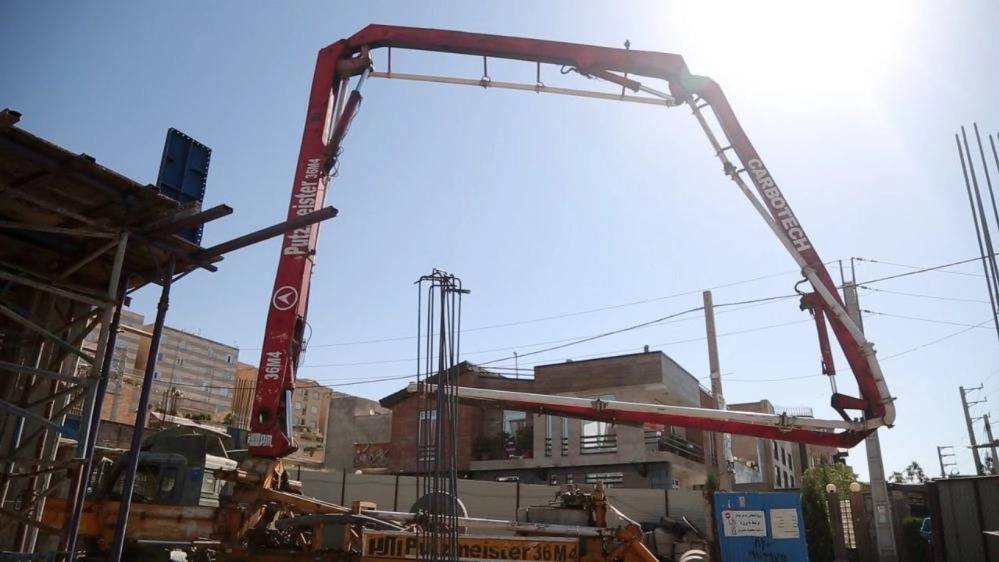
Concrete pump pipes and connections are very important in the concrete pumping process. These components are designed to transfer concrete from the pump to the concreting site and must be able to withstand high pressure and wear resistance. Here we mention the features and different types of these pipes and fittings:
Pumping Pipe Features
Types of Types of Concrete Pump Pumps and Fittings:
Concrete Transmission Tubs: These pipes are usually available in different sizes and are used directly or knee to redirect.
Fitness and knees: to change The direction and connections between the pipes are used. The knees are usually produced at different angles (2 degrees, 2 degrees).
Flangular connections: These joints are used to create solid and standard connections between pipes and are commonly used in critical areas. BR> Pressure Pipes: These pipes are designed to transport concrete in very high pressure systems.
Flexible pipes: These pipes allow you to be in conditions. Special and with less time to transfer concrete easily.
Concrete Pump Tips:
leak control: regularly check the connections and pipes for leakage.
Keep clean : Clean them after using the pipes to clean them Prevent the accumulation of materials inside.
Periodic inspections: pipes and fittings must be periodically inspected to ensure their quality and efficiency.
What is the use of concrete pump?
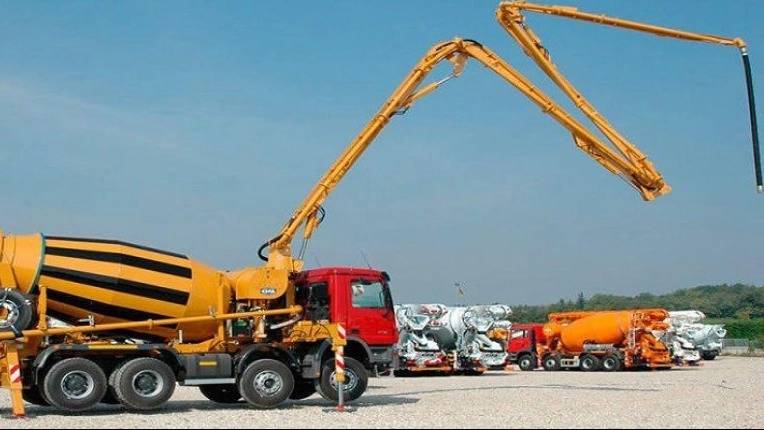
The use of concrete pump is to transfer cement mix and pour it into the mold. This method is used for concrete in most medium to large construction projects (structural) and mineral (filling space). From concrete structures applicable to the concrete pump, the following can be mentioned:
What is the purpose of the concrete pump?
The purpose of using concrete pumps is to save time, cost and energy while performing small to large -scale concrete operations. Concrete pump, instead of discrete transmission (batch to batch), allows for accurate and continuous mixing of mixing at the required location.
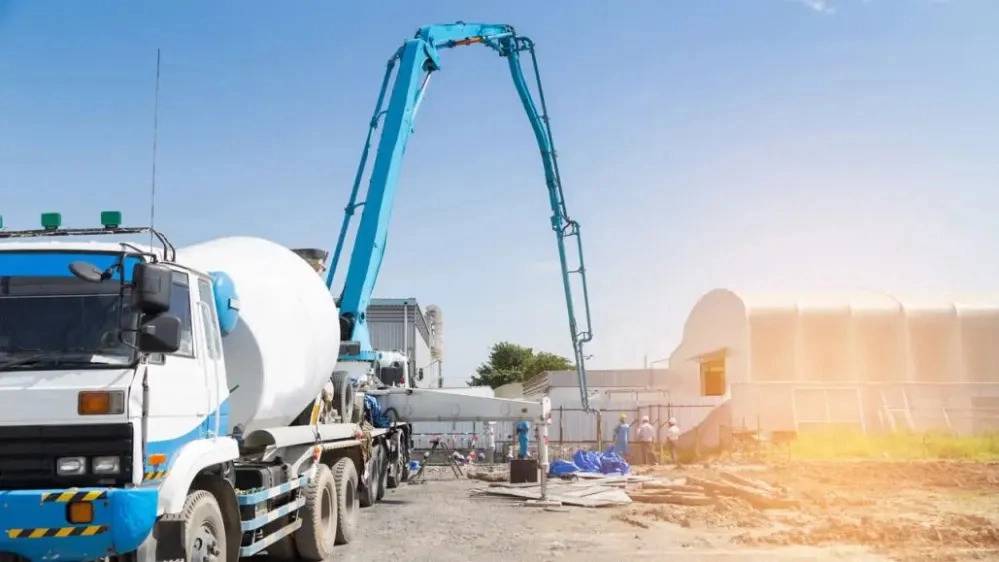
How does the concrete pump work?
There are different mechanisms for pumping cement mixtures. However, the most common mechanism used to transport these mixtures is suction and discharge. Concrete is a heavy, abrasive, high-viscosity mixture of hard rock fragments. If there is no movement, the fresh concrete mixture hardens and loses its ability to move. The concrete pumping mechanism is based on the continuous entry and exit of the mixture to prevent it from hardening during transportation.
In this section, we explain how a piston concrete pump with two cylinders works. In the next section, we will also examine the mechanism of other types of concrete pumps. In the piston pump shown in the picture below, when fresh concrete enters the hopper, one of the pistons pulls the mixture into its cylinder. As this piston moves back, the other piston moves forward. In the next step, the concrete in the pump is pushed towards the discharge pipe.
At the same time, the other piston moves back and pulls the concrete mixture from the hopper into its cylinder. When the piston reaches the end point, the position of the valve (inlet and outlet valve) changes. This valve changes the connection path of the cylinder to the funnel or discharge pipe. By moving the valve, the duty of the pistons in suction and discharge is reversed.