
The role of concrete cylinder in pumps: Key to Effectiveness and Effectiveness
Introduction
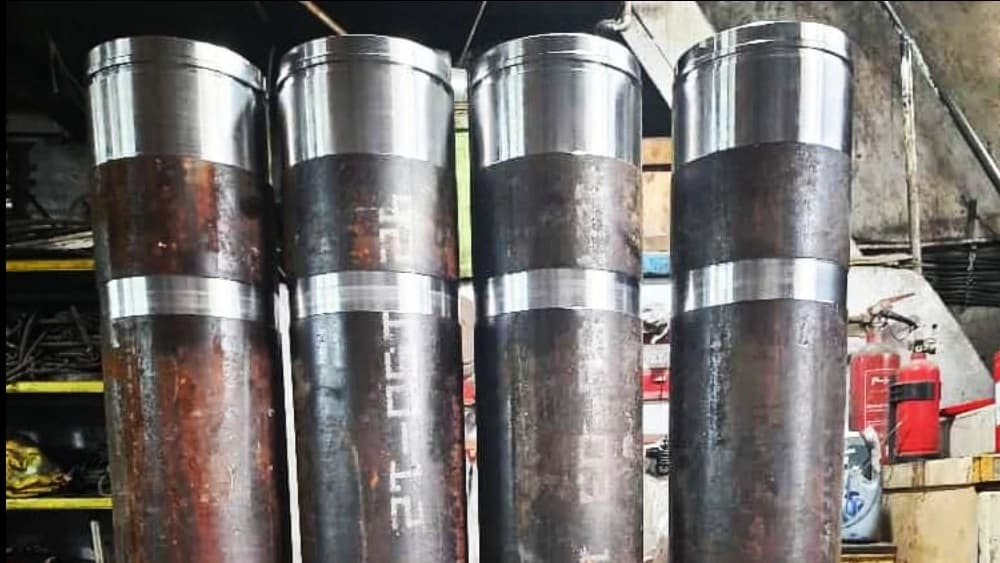
In the construction industry, concrete pumps are one of the critical tools for transferring concrete to different locations of structures. One of the main components of these pumps is the concrete cylinder, which has a great impact on the performance and overall performance of the device. In this article, we examine the role of concrete cylinder in concrete pumps, its construction details and sizes, as well as its impact on the speed and quality of the pumping process.
Structure and type of concrete cylinders
Concrete cylinders in pumps are usually made with internal diameters of 1, 2 and 2 mm. These sizes are designed to meet the different needs of projects. Choosing the right cylinder size has a direct effect on pump performance and concrete injection speed.
The importance of cylinder design
cylinder design is based on hydraulic features and pressure balance. The larger the cylinder diameter, the greater the ability to pump concrete to heights and long distances. This is important for large and specific projects.
Concrete cylinder function in pumps
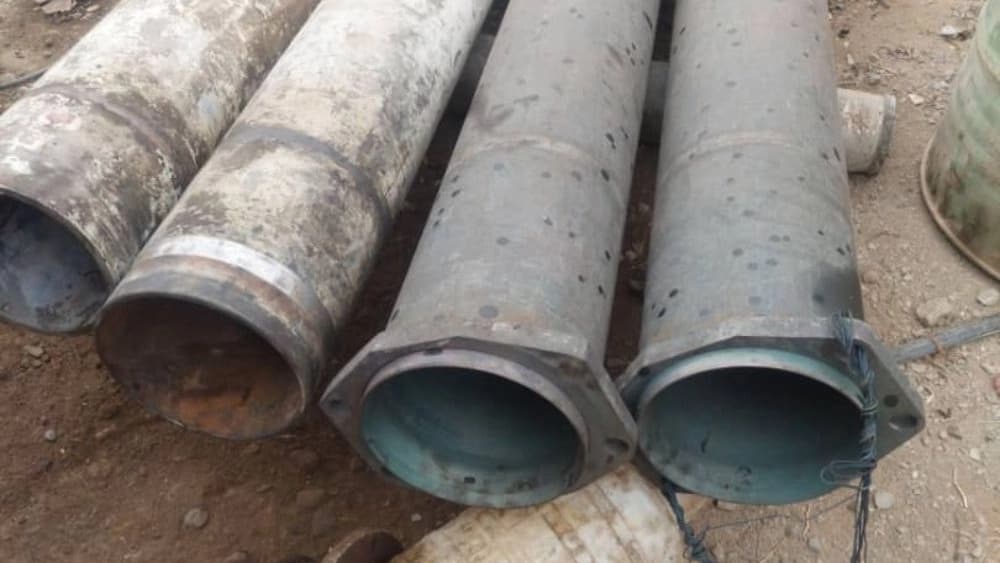
Concrete cylinder acts as a device for transferring concrete to the rubber piston and a hydraulic jack shaft. By moving the hydraulic jack, the piston moves into the cylinder and directs the concrete to the output of the pump.
Effect of the speed of hydraulic jack
Hydraulic jack speed is one of the important factors in determining the time of drainage. In cases where the 2 -cubic meter mixer is used, the drainage operation can be performed for about 5 minutes with the proper design of the cylinder and the appropriate speed of the hydraulic jack. This feature is particularly important in limited time projects.
Advantages of concrete cylinder
Increase in efficiency
Concrete cylinder increases the efficiency of concrete pumps. In other words, proper design and construction of the cylinder leads to a decrease in time and cost costs, and the end result will be of higher quality.
Reducing the waste of material
using standard and optimized cylinders will reduce concrete loss during pumping. This not only helps save money but also helps protect the environment.
Challenges and solutions